
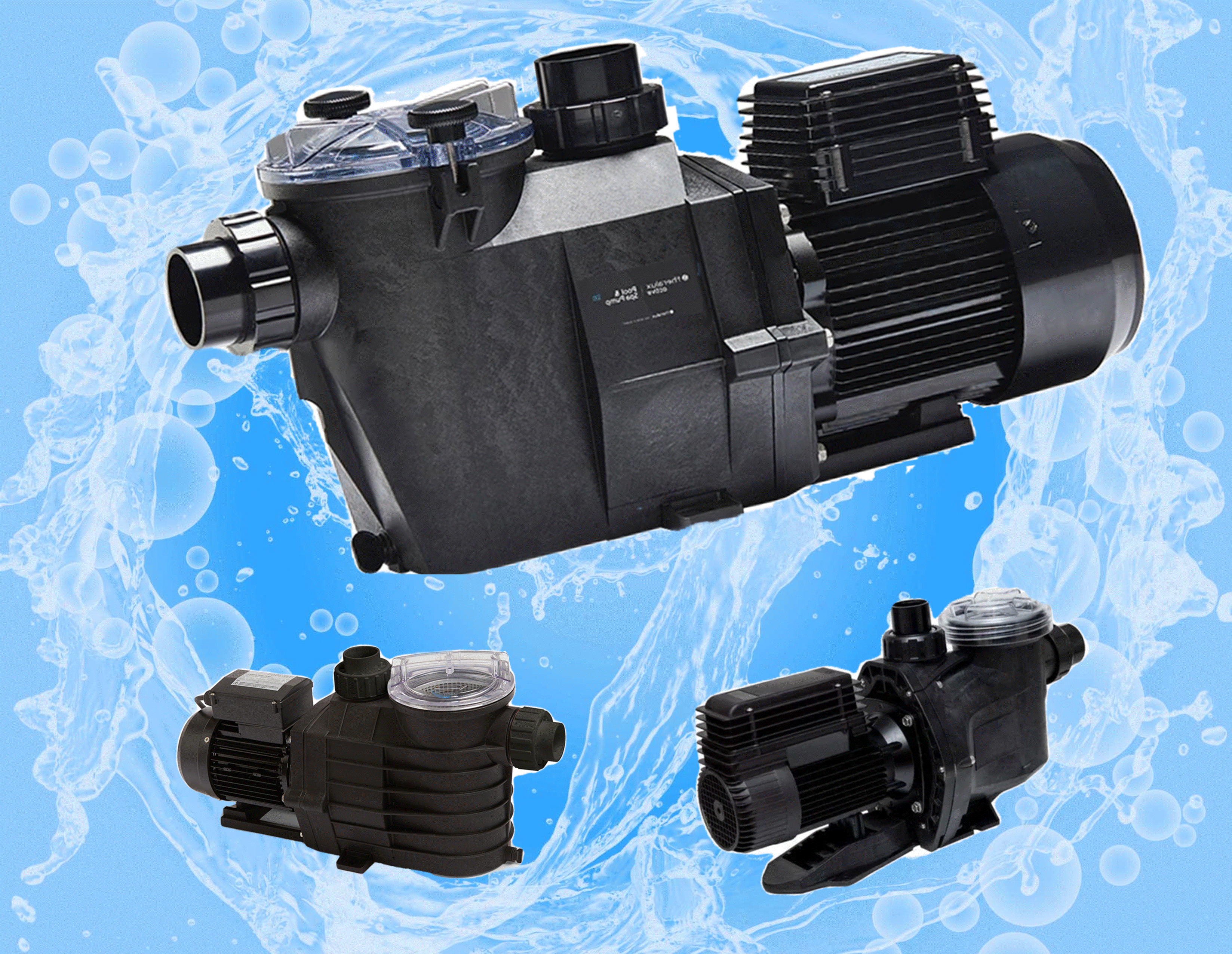
Most quality pool pumps will return a service life of between five to ten years, with seven being the average. Provided the pump has not been subject to improper treatment and has been maintained, the expectation would be ten years or more. When the time does come for a new pump Leisure Time Pool Maintenance can supply any brand pump at competitive pricing.
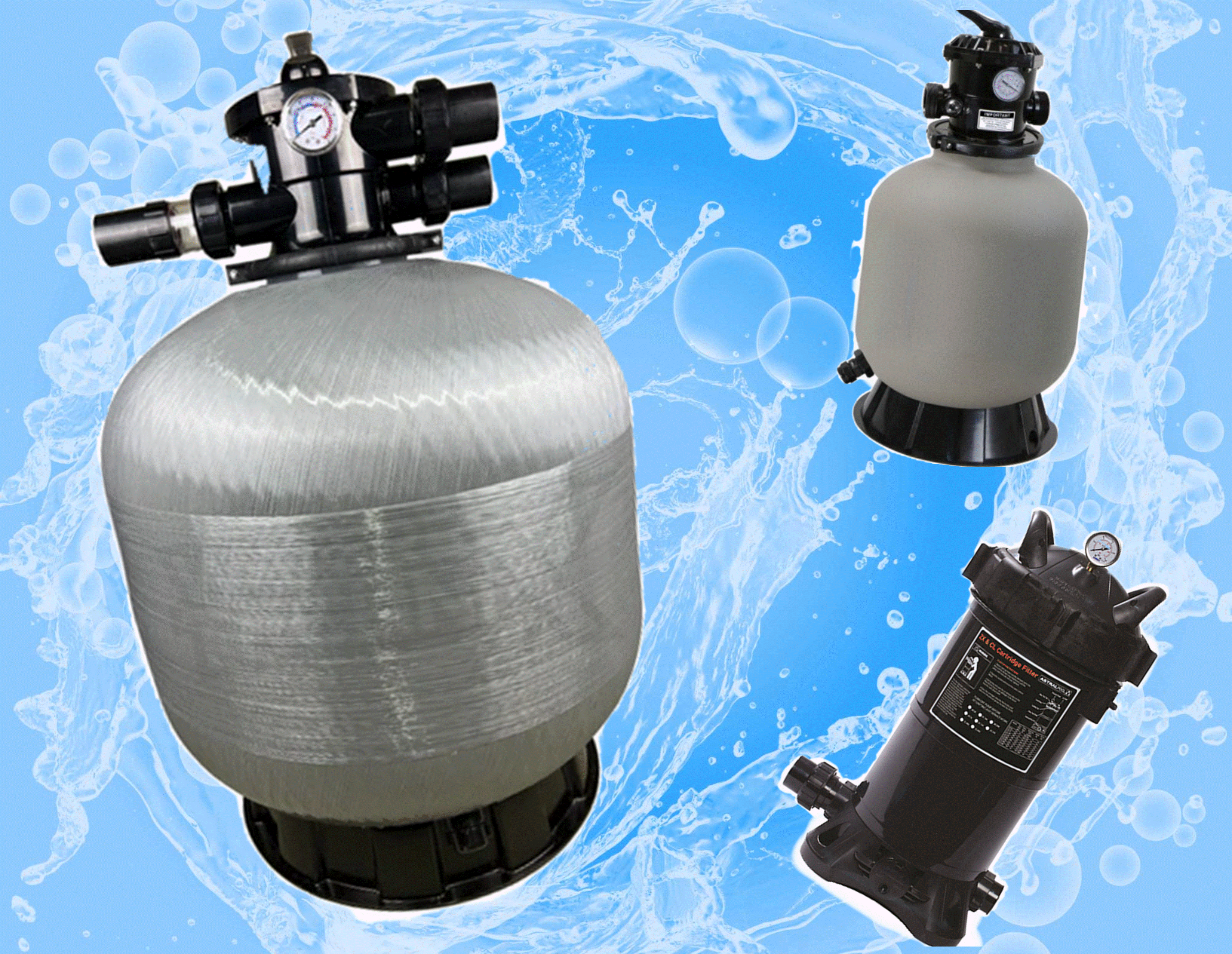
The two types of swimming pool filtration used today are the high-rate sand filter and the cartridge filter. Each have their advantages as well as their drawbacks. The sand filter is easier to clean whereas the cartridge filter with its narrow profile will fit into more restricted spaces. For advice on which type of swimming pool filter would best suit your swimming pool contact us at Leisure Time Pool Maintenance.
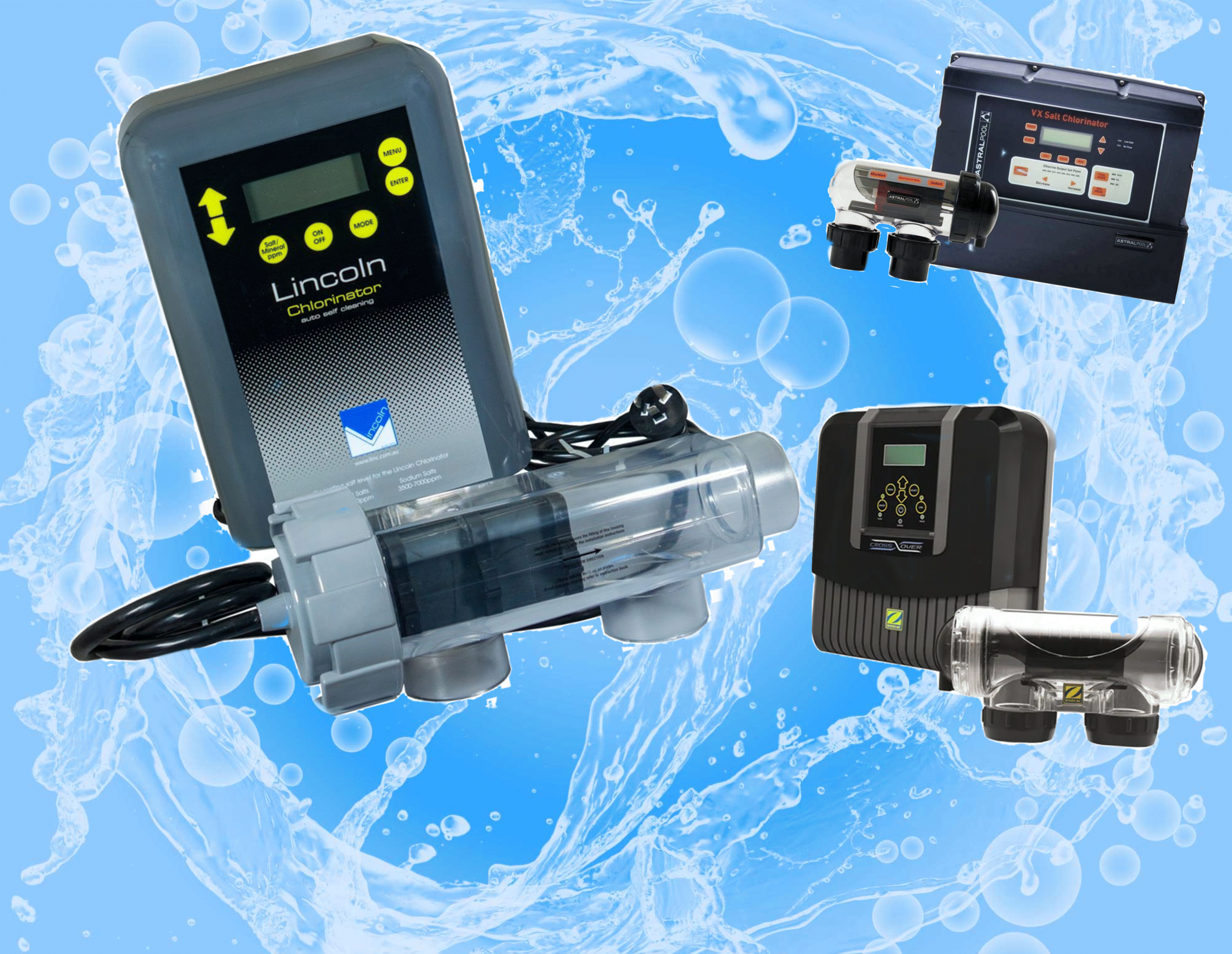
Pool chlorinator models need to be chosen for their ability to produce enough chlorine considering the volume of water in the swimming pool. They are rated for their production output of grams per hour (gph). Unsurprisingly the larger the swimming pool volume the higher the production output needs to be. Leisure Time Pool Maintenance can replace salt chlorinator cells and we can convert manually chlorinated pools to salt chlorination in a day.
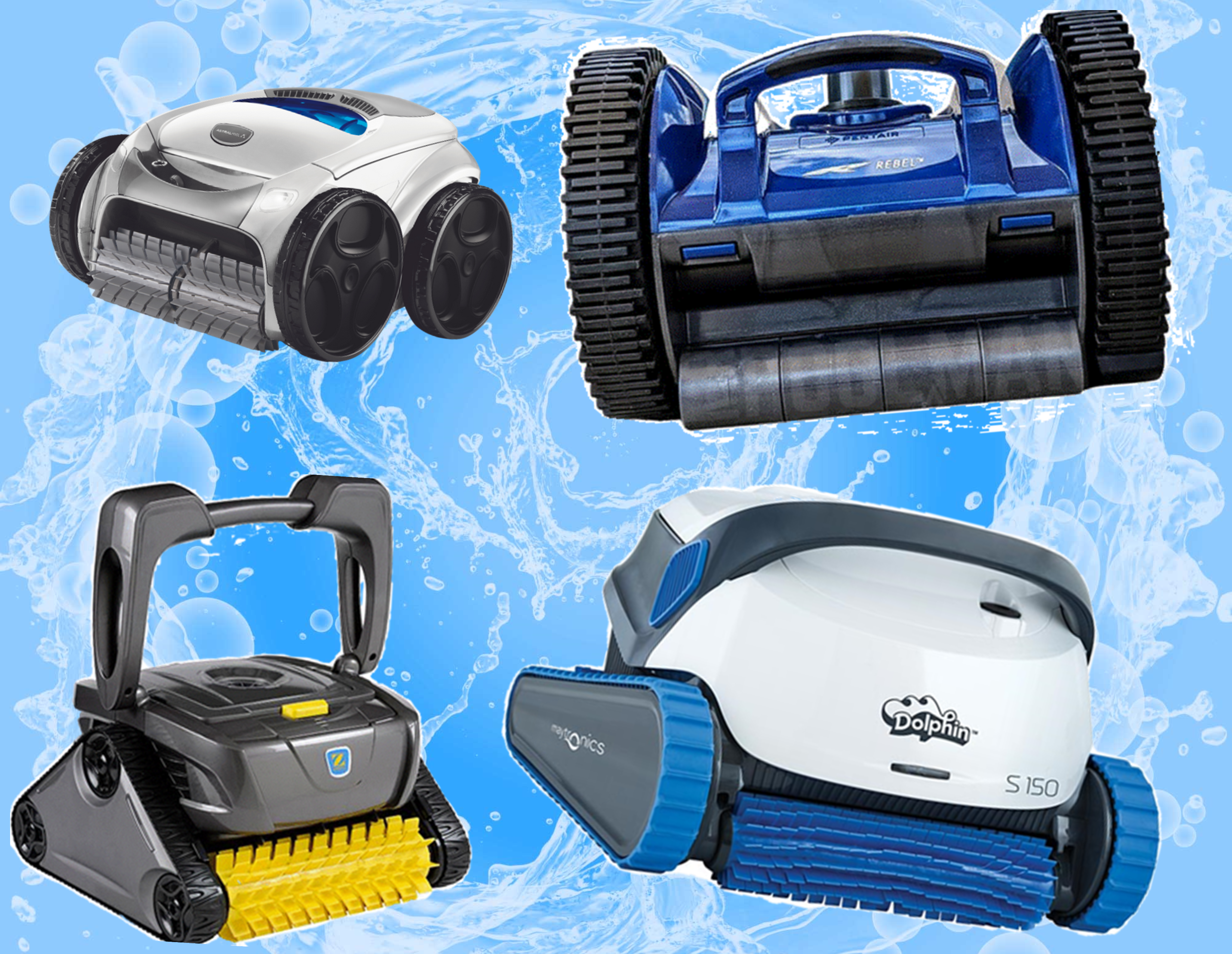
Pool cleaners either operate from the pool suction line, so only when the pump is operating, or they can be a cleaner that operates completely independently under their own low voltage mains power or of their own battery. There are some very sophisticated robot cleaners available today that have laser mapping functions and can be programmed to clean exactly as you want. We are happy to quote for the supply of this exciting technology.
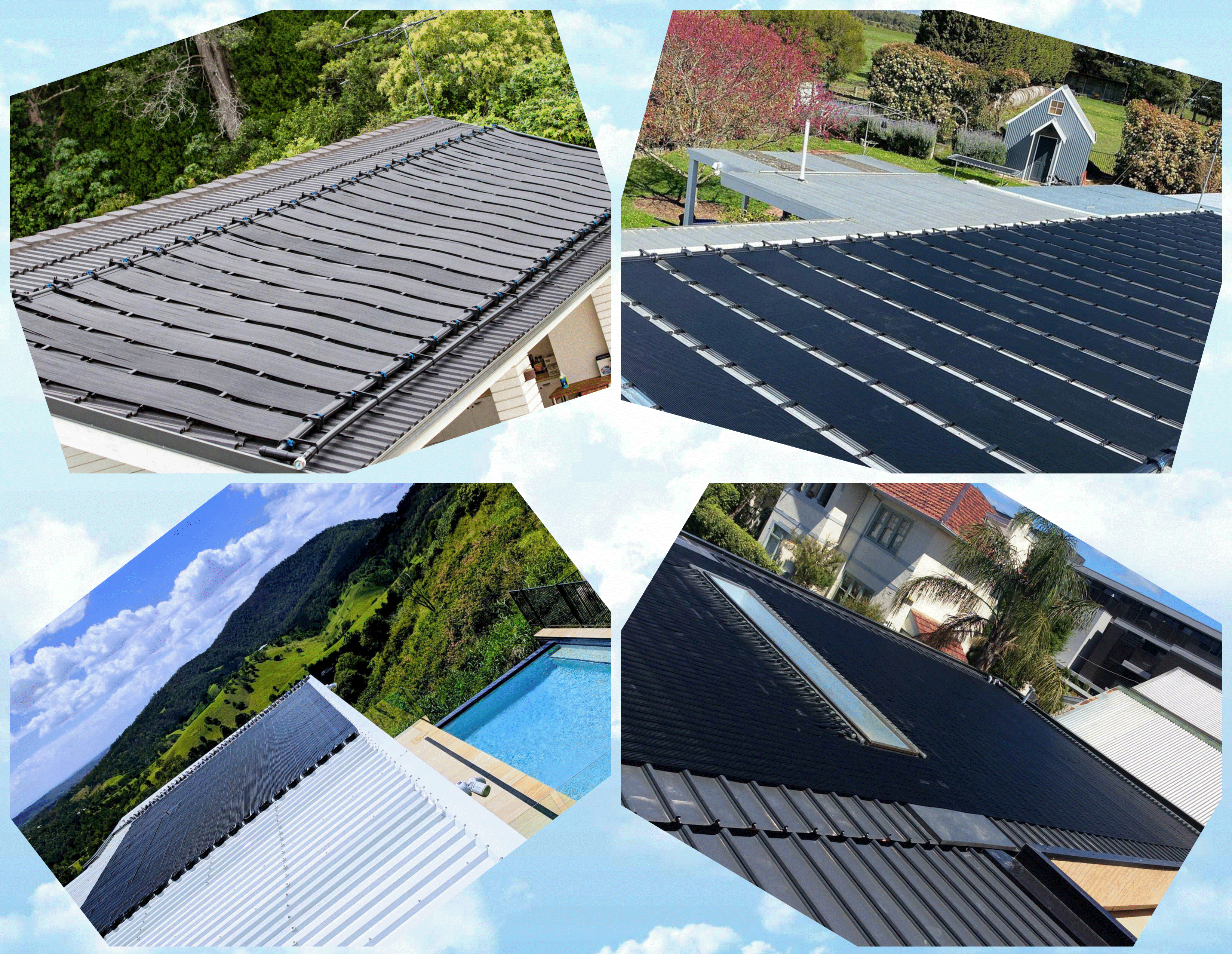
A solar pool heating system is unquestionably the cheapest swimming pool heating to run. The only mechanical moving part is the solar pump that circulates pool water up to the solar collector on the roof and back to the pool. This fractional horsepower solar pump costs very little to run, and sunshine is free. Solar pool heating systems are installed with temperature sensors and a controller which turns the system on only when the water in the roof collector is hotter than the pool water.
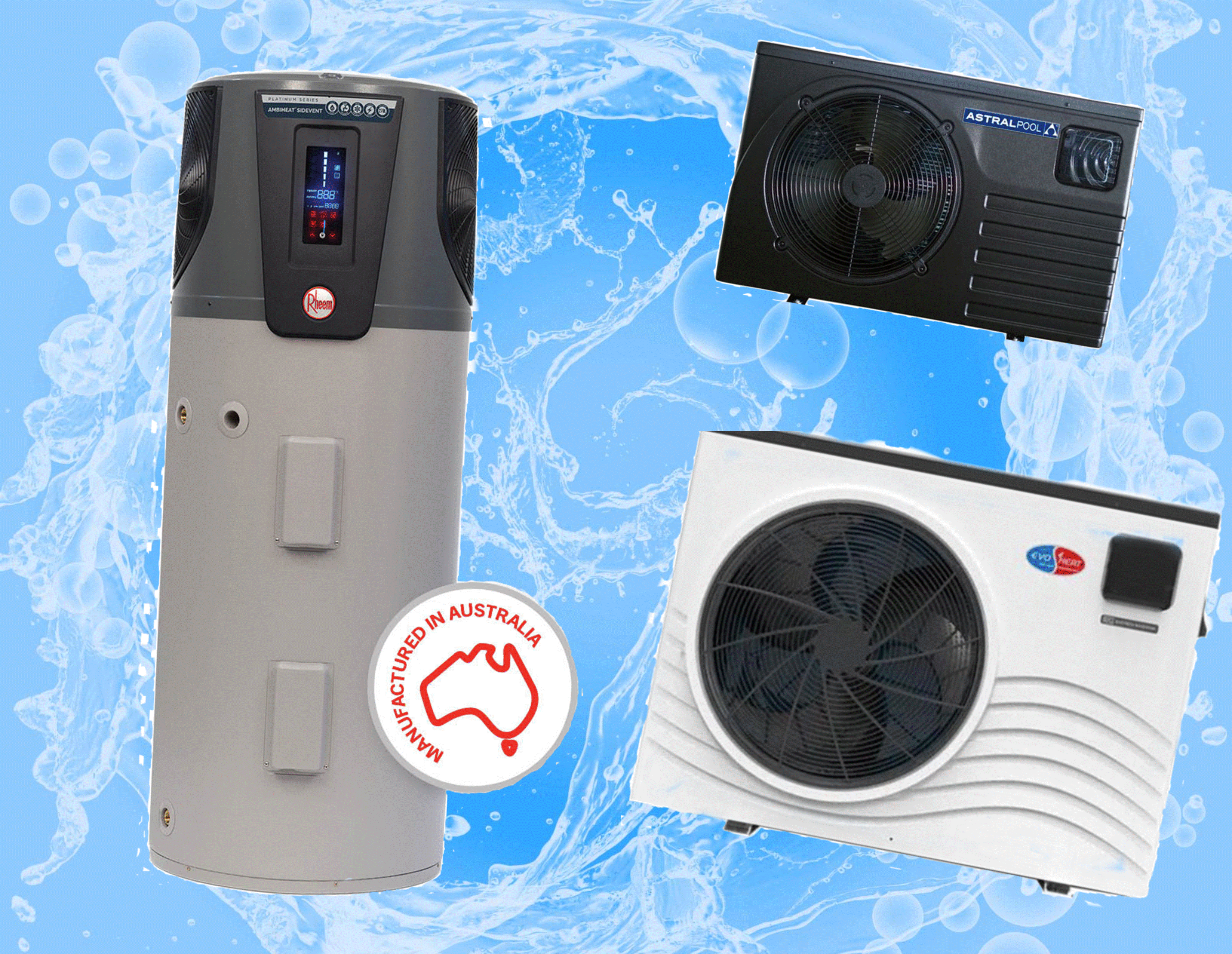
Swimming pool heat pumps up to a certain size can be connected to power by a standard three pin plug. Above 16 kw they require a 3-phase power supply, which may require a cable replacement from the street supply and a switchboard upgrade, obviously by a qualified electrician. Like solar pool heating it works best in warmer temperatures but must work harder and is less effective when the temperature drops. Another consideration is installation positioning, as some of these units can be more than whisper quiet.
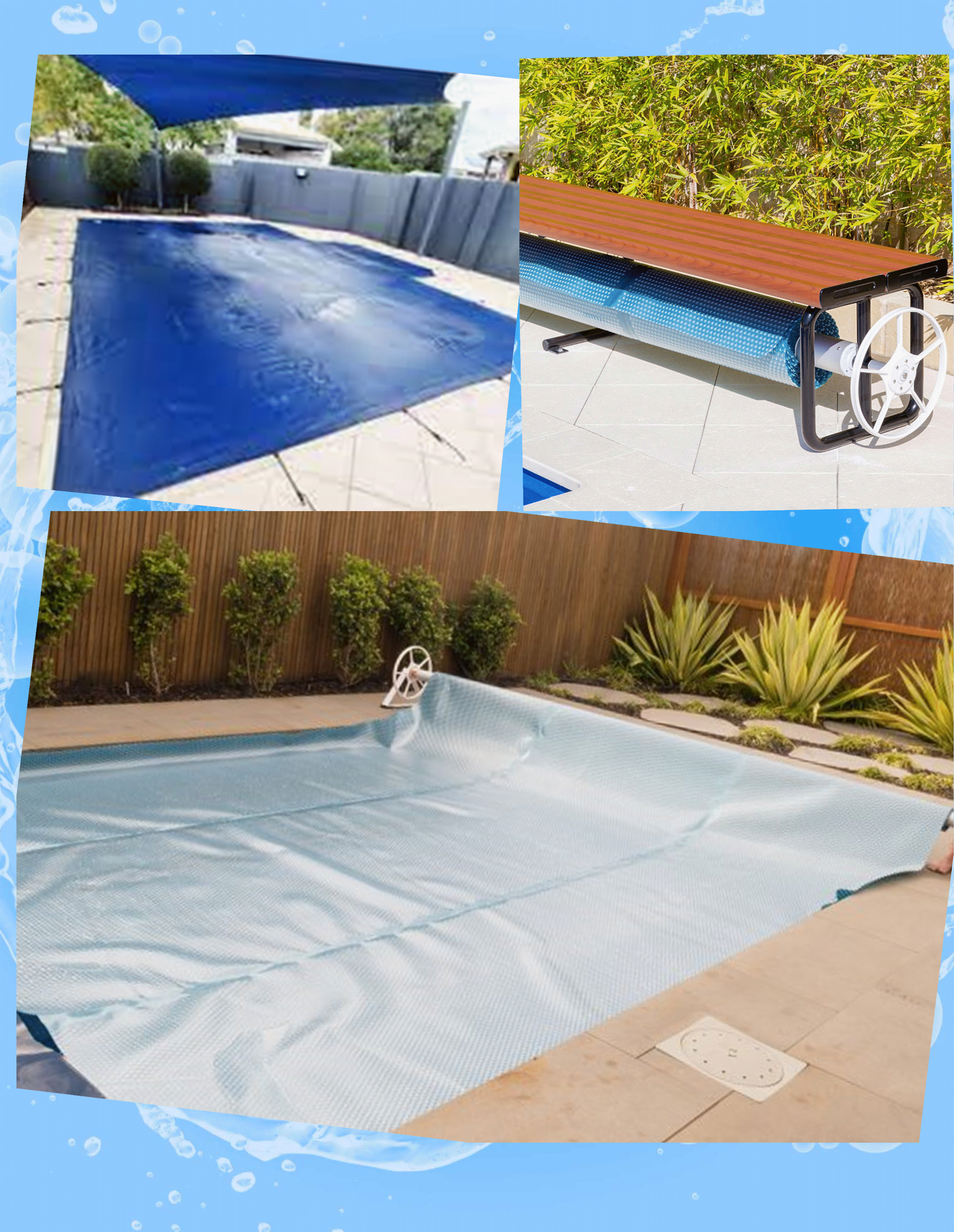
The three types of commonly used pool covers are, the leaf cover, which is a mesh cover sitting tightly on top of the pool surround to keep debris out but has no thermal properties. The bubble style cover prevents heat loss and assists in heating when the sun is shining on it. Thermal covers are most effective in retaining heat and the easiest to employ and remove. Except for the mesh cover the others will also prevent water evaporation.
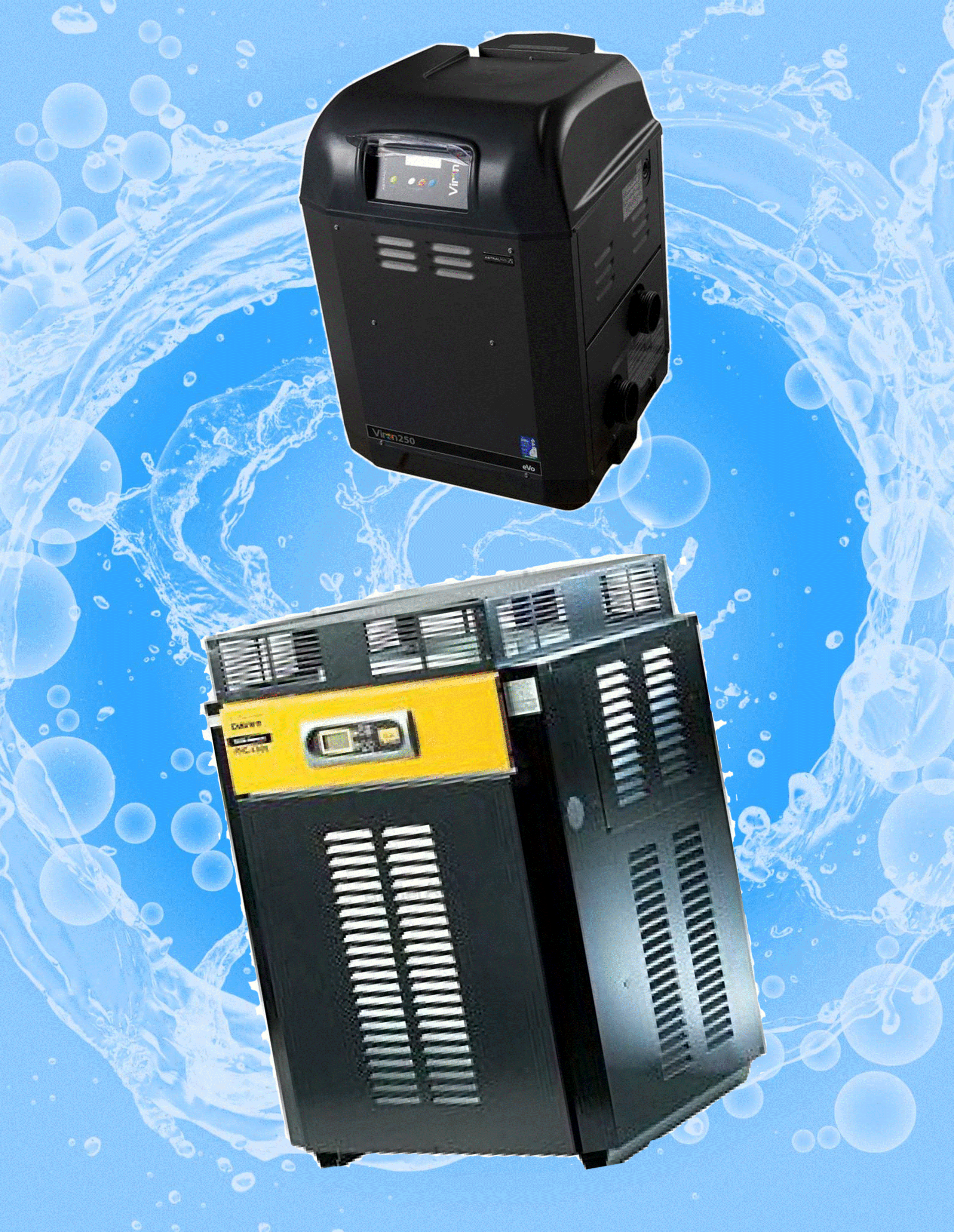
Gas pool heating is by far the fastest form of pool heating, regardless of weather. Obviously, you need to have natural gas connected so it may not be an option for some. The downside is the running cost, particularly if used in the colder months. It is worth considering this option to extend your swimming pool season and it is the only option that will allow you to have a one-off swimming pool event in the off season.